
The Scent of Remembrance: Zikharon as a Vessel for Creation
In the landscape of the human senses, smell is the outlier. It is the only sense that bypasses the rational filters of the brain, traveling directly to the limbic system—the seat of memory and emotion. In Jewish thought, this physical reality mirrors a profound spiritual truth: the soul derives no benefit from food, sound, or sight, yet it finds nourishment in fragrance. This is the starting point for Zikharon (Remembrance)—not as a passive recollection of the past, but as an active, saving force that bridges the gap between the Creator and the created.
I. The Mechanics of Divine Memory: Tanakh
In the Tanakh, when the text says Vayizkor (“And He remembered”), it is never a static thought; it is an action-verb signaling the end of a crisis. Divine Memory is the hinge upon which the physical world is saved from chaos.
- Saving from the Void: After the Great Flood, “God remembered Noah… and the waters subsided” (Genesis 8:1). Here, Memory is the wind that pushes back the abyss, allowing dry land—and life—to reappear.
- Saving from the Silence: In the story of Rachel, “God remembered Rachel… and opened her womb” (Genesis 30:22). Memory is the key that unlocks the “Open Vessel,” allowing new souls to enter the creative cycle.
- Saving from Oppression: During the slavery in Egypt, “God heard their groaning, and God remembered His covenant” (Exodus 2:24). This is the ultimate “Saving Memory.” The Israelites were rescued because they were recognized as part of a lineage; the “scent” of the Patriarchs reached the Heavens, and the Exodus began.
This pattern reveals a fundamental law: To be remembered by Hashem is to be granted form and existence. In the Tanakh, “remembering” is the precursor to the Reiach Nichoach—the pleasing aroma of a relationship restored.
II. The Dust of the Patriarchs: Midrash
The Midrash expands this into the realm of identity. In Midrash Rabbah, when Isaac blesses Jacob, he remarks, “See, the smell of my son is like the smell of a field which Hashem has blessed” (Genesis 27:27).
The sages explain that Jacob carried the fragrance of the Beit HaMikdash (the Holy Temple)—a structure that did not yet exist in the physical world. This is the essence of holy nostalgia. We are remembered by Hashem because we carry the “scent” of our potential. Our “saving” occurs because the fragrance of who we are meant to be—our future holiness—reaches the Heavens before we even arrive there.
III. The Architecture of the Vessel: Setting the Memory

In the physical world, we often use mediums to “set” or “stiffen” materials—taking something soft and fluid and giving it a permanent form. Spiritually, memory performs this exact function. Without memory, our experiences are fluid and fleeting; with it, our identity becomes a structured vessel.
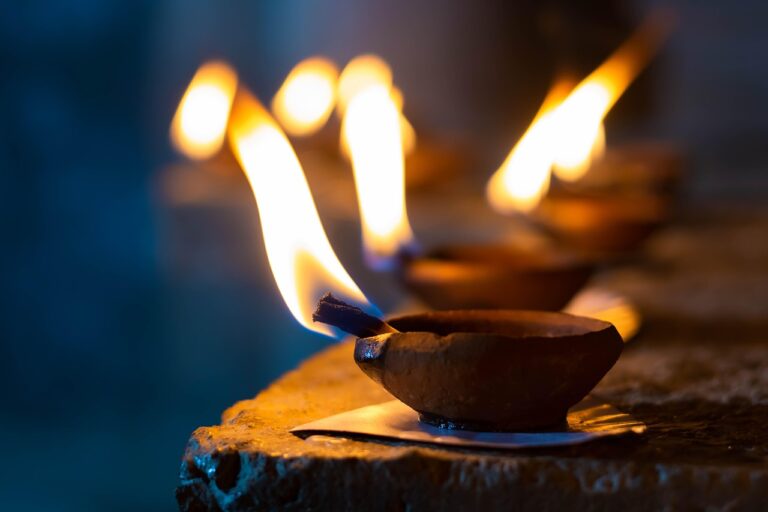
When we evoke the “scents” of our tradition—the spices of Havdalah or the oil of a sacred lamp—we are stiffening our resolve. We are creating a skeleton of identity that allows us to stand upright in a world that would otherwise dissolve into the mundane.
Viverra aliquet eget sit amet. At ultrices mi tempus imperdiet nulla. Arcu dui vivamus arcu felis bibendum ut. Arcu cursus euismod quis viverra nibh. Cursus vitae congue mauris rhoncus. Faucibus ornare suspendisse sed nisi lacus sed viverra.
John Doe
At vero eos et accusamus et iusto odio dignissimos ducimus qui blanditiis praesentium voluptatum deleniti atque corrupti quos dolores et quas molestias excepturi sint occaecati cupiditate non provident, similique sunt in culpa qui officia deserunt mollitia animi, id est laborum et dolorum fuga.


IV. Cusbara: The Cup of Creation
The ultimate mystery of this partnership is hidden in the Manna, which the Torah describes as being “like coriander seed.” While the world sees a simple spice, the linguistic roots of the Hebrew word—Cusbara (כסברה)—reveal a deeper blueprint.
The word can be divided into two: Cos (כוס), meaning “Cup” or “Vessel,” and Bara (ברא), meaning “Created.” The Manna was not just bread; it was the “Cup of Creation” made manifest. It was the “bread of remembrance” falling from the Heavens, intended to be transformed by the recipient.
V. Conclusion: The Return of the Firstborn
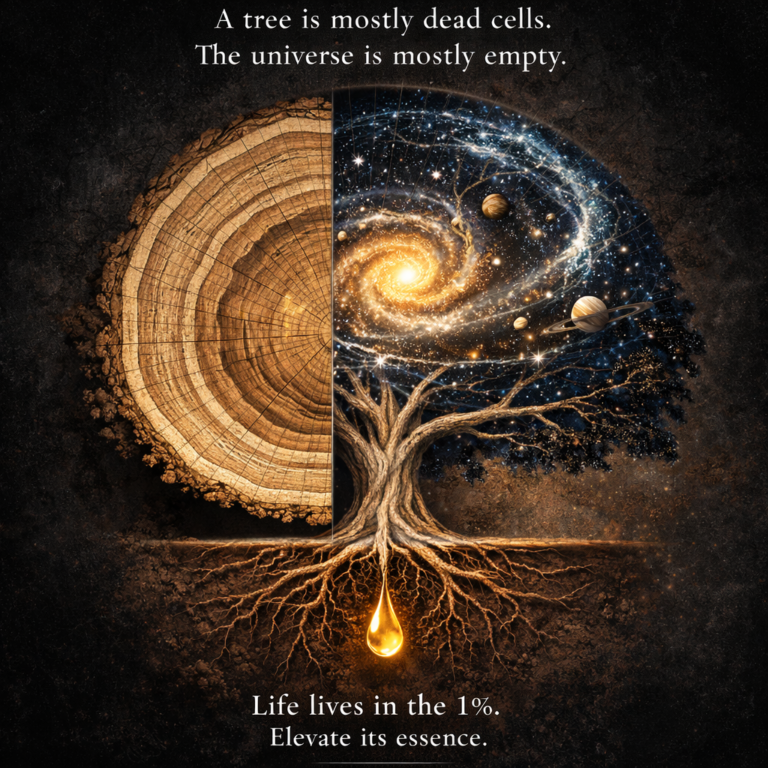
Our goal as creators is to return this Manna to its Source. We do not simply consume the “Cup of Creation”; we use it to build universes. By taking the raw materials of our lives—the fabrics we stiffen, the oils we pour, the words we edit—and elevating them into art, we are sending a signal back to the Creator.
We remind Hashem that His Spiritual Firstborn is here, active and aware. We don’t wait passively to be remembered; we blow the “trumpets” of our creativity (Numbers 10:9) to trigger that Divine recognition. We hold up our work as a “pleasing aroma,” asking Him to remember us as the partners He invited to finish the work of making worlds. In this act of co-creation, we are saved—not because we are weak, but because we have proven ourselves essential to the ongoing architecture of His universe.