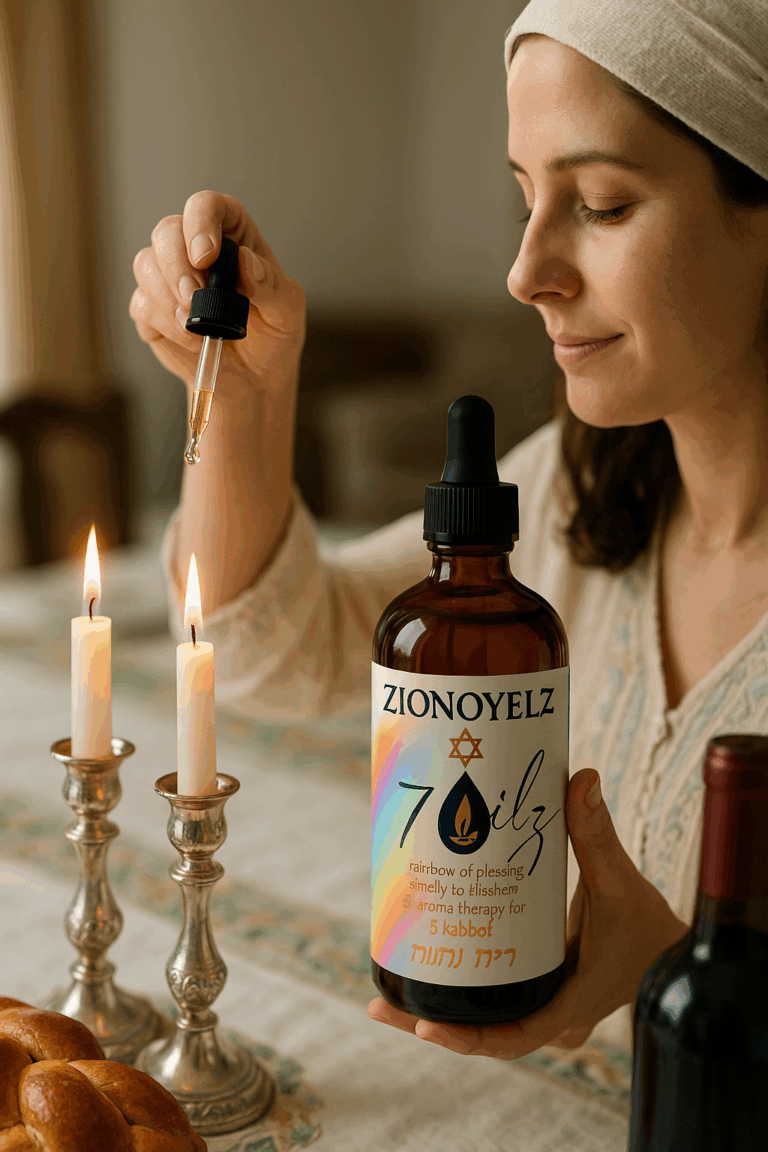

The Oil of Wisdom: From the Deep Earth to the Sacred Flame
Oil is the ultimate bridge between worlds. It is born from the decay of ancient life, pressurized by the weight of mountains, and refined by human hands to provide warmth, health, and light. To understand oil is to understand the “fatness” of the Earth—the concentrated energy of the sun captured in liquid form.
I. The Geological Time Capsule: “Black Gold”
Before oil was a commodity, it was a biological miracle. 200 million years ago, ancient oceans were teeming with microscopic life. As these organisms died, they settled into a “pressure cooker” of silt and salt. Over eons, the Earth’s heat transformed them into Petroleum and Bitumen.
- Bitumen (The Earth’s Glue): In its rawest, thickest state, oil was the first “technology” used by early civilizations. In the Torah, it is the substance that made survival possible. It was the sealant for Noah’s Ark and the basket that carried Moses, proving that the Earth’s “heavy oil” was designed to protect life from the chaos of the waters.
II. The “Liquid Gold”: Olive Oil and the Torah
While petroleum protected from the outside, Olive Oil (Shemen) provided life from the within. In the Torah, oil is one of the “Three Pillars of Sustenance” (Grain, Wine, and Oil). It represents the essence of a thing—the soul extracted from the fruit.

The Sacred Recipe: The “Holy Anointing Oil” was a sophisticated artisanal blend. It wasn’t just oil; it was a carrier for Myrrh, Cinnamon, and Cassia. This mixture was used to “set apart” kings and priests, symbolizing that the Divine Spirit flows like a liquid, covering and permeating the individual.
The Ner Tamid: The requirement for the Tabernacle was “Pure Pressed Oil.” This meant using only the first drops that came from the olive without being squeezed, ensuring a smokeless, bright flame that represented pure wisdom.
III. The Pharmacy and the Kitchen
Ancient oil was the primary medium for both nutrition and restoration. It was the “first responder” for the human body.
- Medicinal First Aid: Oil was the ancient world’s antibiotic. It was used to soften wounds, soothe burns, and act as a solvent for healing herbs. In a dry, desert climate, oil was the only thing standing between healthy skin and painful infection.
- The Culinary Essential: In the Torah’s “Meal Offerings,” flour is never offered alone—it is always “mingled with oil.” Oil provided the calories and the “fatness” (deshen) required to turn basic grains into a feast. It was a sign of hospitality and God’s provision.


IV. The Artisanal Connection: Light and Aroma
The true beauty of oil is its ability to transform. Whether it’s burning in a simple clay lamp or a decorative eggshell candle, oil is the medium that turns matter into energy.
Aromatic Sanctity: By infusing oils with resins like Frankincense, the act of lighting a lamp became a multisensory experience. The scent (Rei’ach) was considered a “pleasing aroma,” bridging the gap between the physical room and the spiritual realm.
Capillary Action: The way oil travels up a wick—defying gravity—is a metaphor for the human spirit rising toward the Divine.
V. Wisdom
In spiritual and biblical contexts, oil represents wisdom, divine joy, and the Holy Spirit’s presence, often symbolizing the inner growth and insight gained from life’s trials. Just as olives are crushed to create precious oil, personal adversity can produce wisdom and resilience. It is used to mark spiritual maturity and divine favor.