Solomon’s Question, Answered by an Eggshell
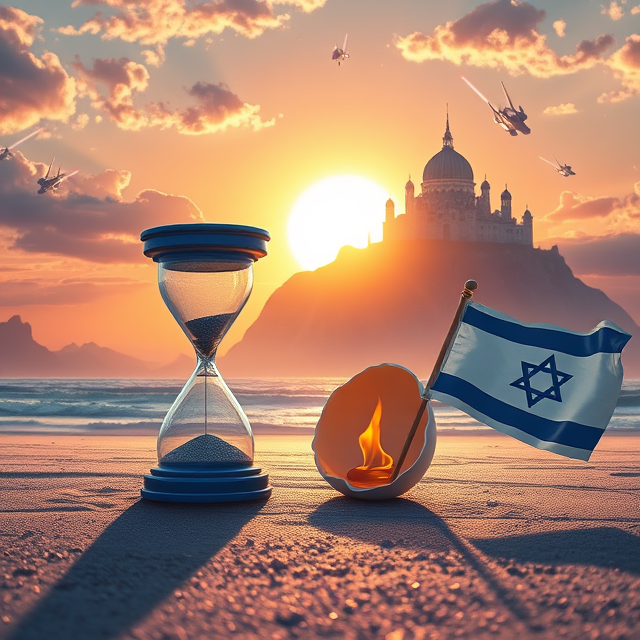
Solomon builds the most elaborate structure ever raised for divine service, stands in front of it on the day of its dedication, and says the thing that undoes it.
הִנֵּה הַשָּׁמַיִם וּשְׁמֵי הַשָּׁמַיִם לֹא יְכַלְכְּלוּךָ, אַף כִּי הַבַּיִת הַזֶּה אֲשֶׁר בָּנִיתִי
Behold, the heavens and the highest heavens cannot contain You. How much less this house that I have built. Melachim I 8:27
That is the whole problem stated by the man with the most reason to avoid stating it. A finite point on one mountain, built to hold what the heavens cannot. How does a container hold something larger than itself without breaking?
The shell is already in the Mishnah
Mishnah Shabbat 2:1-2 lists the oils permitted for the Shabbat lamp. Olive oil is the preferred fulfilment rather than the only one, and the Rambam codifies that any oil giving a steady flame is valid (Hilchot Shabbat 5:9-11).
The same Mishnah mentions, as an ordinary and unremarkable practice, pouring oil into an eggshell and using it as a lamp. The Gemara then argues the halachic parameters of doing so, including whether the shell may be moved on Shabbat (Shabbat 43b-44a), without one word of theological objection anywhere in the discussion.
An eggshell lamp was common enough to generate legal edge cases. It was never controversial.
Why a fragile vessel rather than a strong one
An eggshell is the thinnest wall there is that still holds a whole life inside it, and it is built to be broken from within, exactly once, by the thing growing in it. Nothing else in a kitchen is engineered that way.
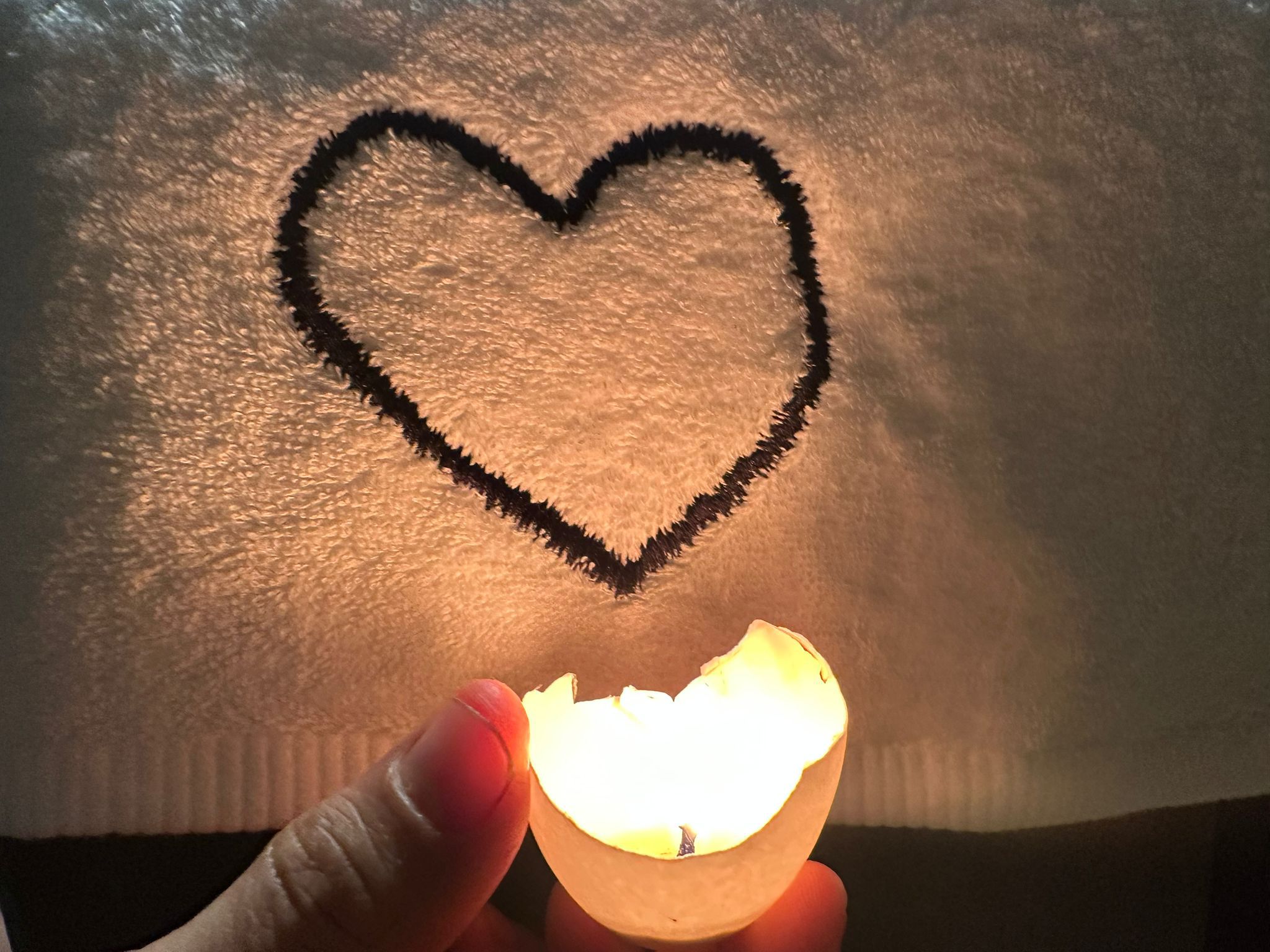
Set a flame in one and the arrangement states Solomon’s answer without a word. A fragile shell carries fire, the fire does not consume it, and the light stands higher than the thing holding it up.
The Temple’s own core operations were not its walls, its gold or its cedar. They were the ketoret and the oil of the Menorah: physical substances that pass immediately into something else. Scent and oil let the infinite rest inside the finite without the vessel shattering under it.
The Name of the boundary
The deepest version of the answer is a Name Solomon stands inside and never says. אֵל שַׁדַּי. The Sages read Shaddai as שֶׁאָמַר דַּי, the One who said enough (Chagigah 12a; Bereishit Rabbah 46:3).
Creation expanded without limit until the Name halted it, and the Midrash is exact about what the halt produced: concealment. The enough is what made the world opaque enough to carry a light that would otherwise blind it. Shaddai is the Name of the boundary, and the boundary is the secret of every vessel. The infinite agreed to be bounded, said dai to its own flow, so that a shell or an egg or a Temple or a body could hold it instead of breaking.
The Berditchever hears both halves inside the one Name: אֵל, bounded strength, and שַׁדַּי, kin to שָׁדַיִם, the breast, flow without limit (Kedushat Levi). Boundary and flood in a single word.
The same root keeps a reversal. The One who said dai is the One who promises to pour out blessing עַד בְּלִי דָי, until there is no more enough (Malachi 3:10). The setter of the limit is the one who floods past it, which is where an oil with no upper limit comes from.
The lowest container is the preferred one
The Tanya names the principle outright: דִירָה בְּתַחְתּוֹנִים, God desired a dwelling specifically in the lowest realms (ch. 36). Below the spiritual worlds, in the physical, in the concealment. It is precisely in the place of deepest concealment that the light reads most powerfully when it breaks through.
Which makes an eggshell the preferred vessel rather than a humble substitute for a better one. The lower the container, the more the light transforms it.
The vessel on a Shabbat table is Solomon’s Temple at the scale of one, running the same logic.
Lighting one
Empty a shell cleanly from the top, rinse it, let it dry. A drop of oil and a floating wick is all it takes. It will not outlast glass, which is the point.
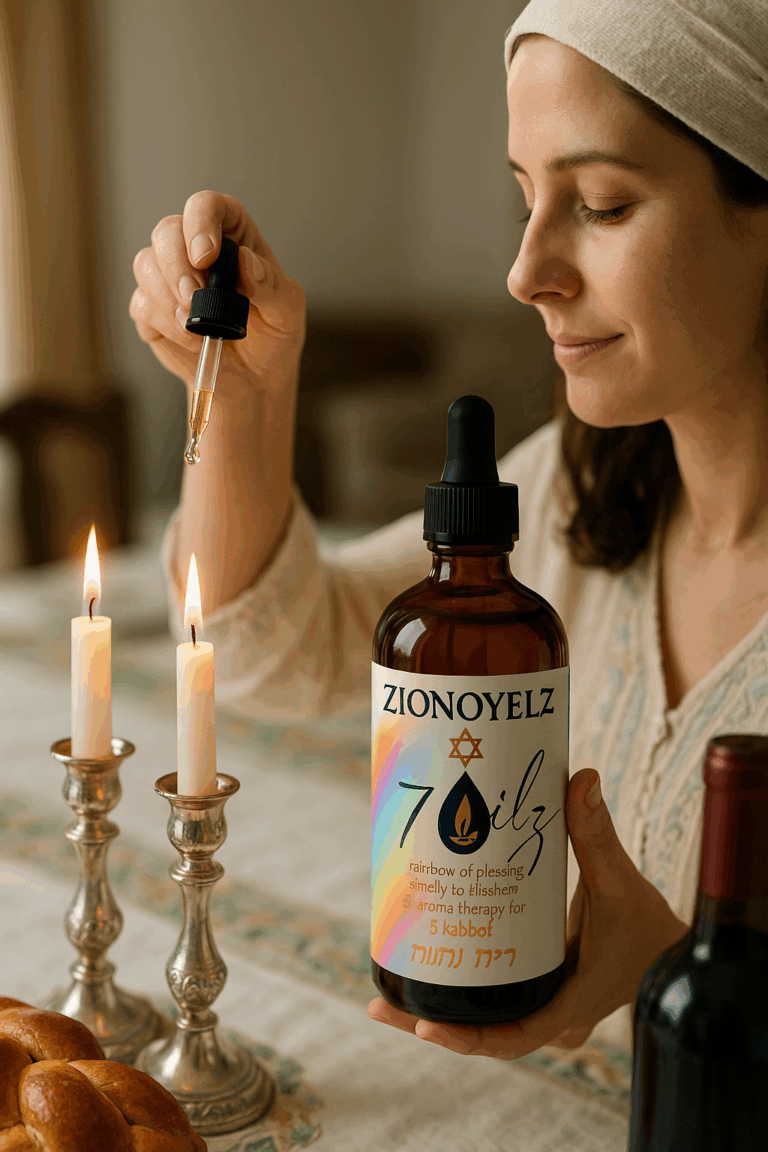
The gift set includes an egg-shaped diffuser built for it. The argument is worked out in Kol Tehom, free in English and Hebrew.
Keep reading
- Why a Candle Is Lit for the Dead tefila and ptila, the same letters with the mouth moved
- Pach Shemen one flask, sealed, holding eight nights
- Lighting Chanukah with Oil why the Shulchan Aruch calls olive oil the choicest
The map shows how all of it connects.

New teachings by email, and a bottle to pick up from us in Petah Tikva. The light of Sinai for your table.