The Home as Mishkan
With no Temple standing, the Gemara moves the altar rather than retiring it.
וְעַכְשָׁיו שֻׁלְחָנוֹ שֶׁל אָדָם מְכַפֵּר עָלָיו
And now a person’s table atones for him. Berachot 55a
The line transfers a function. While the Mikdash stood, the mizbe’ach did the work. In its absence the table where a person eats takes the assignment, which means the table is held to the standard of an altar and not of furniture.
What stood on the altar
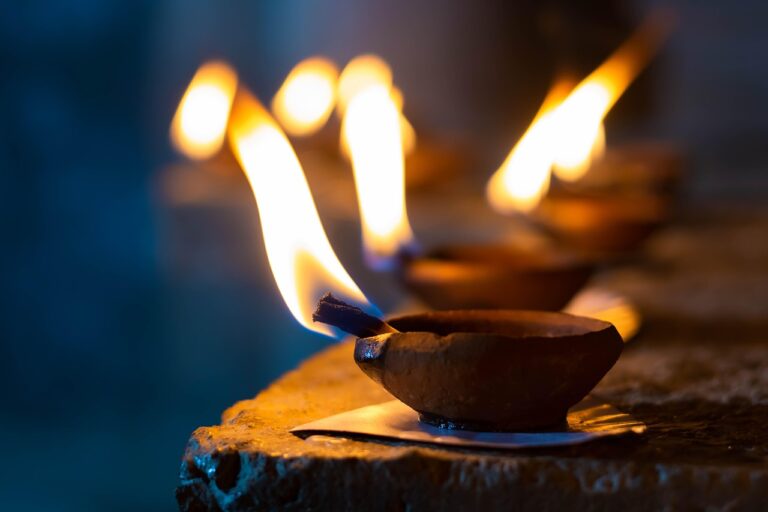
Two things went up and neither was food for anyone. The ketoret was eleven ingredients, set out at Shemot 30:34 and counted in Keritot 6a, and its entire output was scent. The lamps burned oil and their entire output was light.
Neither one fed a single person. That is the part worth noticing about an altar: most of what it produced was scent and light, and both of those go up.
Running the same arrangement
A table with bread on it feeds the body. Add scent and light and the other half of the service is present, which is the reading of the home carried through Kol Tehom, where the home is read as the Mishkan in miniature.
The gift set holds the diffuser, the oils and the booklet together.
Keep reading
- Oil, from the Deep to the Flame the oil the Menorah asked for, and why the first drop
- Why the Eggshell Holds the Flame the thinnest wall there is, built to break from within
- Hakol everything and the voice, one word to the ear
The map shows how all of it connects.

New teachings by email, and a bottle to pick up from us in Petah Tikva. The light of Sinai for your table.