Shabbat, the Weekly Appointment
Shabbat is usually described as rest. The Torah files it under a different heading.
אֵלֶּה הֵם מוֹעֲדָי
These are My appointed times. Vayikra 23:2
The chapter that lists the festivals opens with that line, and the first item on the list is Shabbat, at 23:3, named a mikra kodesh and counted among the moadim. A moed is a fixed meeting. Someone else is already holding the time.
What changes when it is an appointment
A checklist is something you complete. An appointment is something you arrive at, and arriving late is a different kind of failure than finishing late. The candles are not a task closing out the week. They mark the hour the other party is expecting you.
Why oil rather than wax
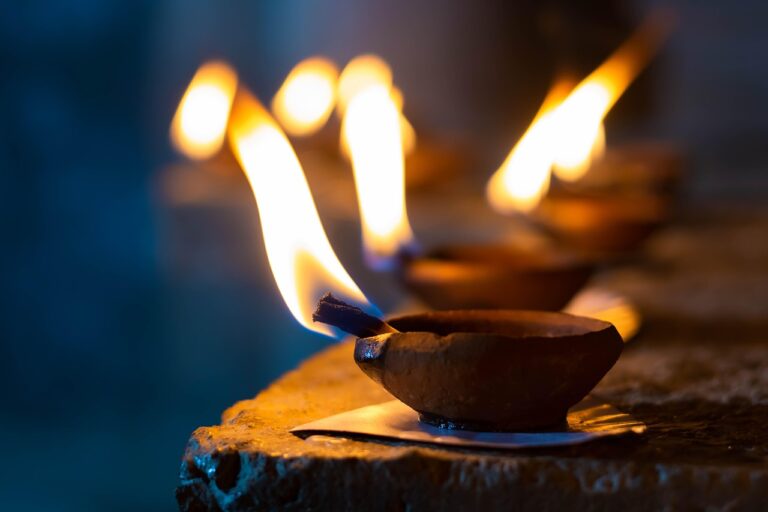
The sugya on Shabbat lights spends its length on which oils draw cleanly up a wick and which sputter and fail. Olive oil wins on the physics. A wax candle gives light and ends as nothing. An oil lamp has a reservoir you filled on purpose, and the flame sits above a quantity you chose.
Twenty-six oils, for the twenty-six of the Name, are set up for exactly this.
Keep reading
- Oil, from the Deep to the Flame the oil the Menorah asked for, and why the first drop
- The Home as Mishkan Berachot 55a moves the altar to the table
- Why the Eggshell Holds the Flame the thinnest wall there is, built to break from within
The map shows how all of it connects.

New teachings by email, and a bottle to pick up from us in Petah Tikva. The light of Sinai for your table.